
Laser Proctology
Laser Proctology
Laser proctology, is a specialized field. It focuses on the treatment of conditions like piles, fissures, fistulas, and pilonidal sinus. These procedures are done by advanced laser techniques.
Dr. Ram Kumar Sharma, an experienced surgeon, excels in laser proctology. Ensuring optimal outcomes and patient satisfaction are his priorities. He does minimal invasive procedures with advanced technology to achieve higher surgical outcome.
He is the best Laser proctologist for Laser operations of piles (Hemorrhoids), Fissure in Ano, Fistula in Ano and Laser procedure for Pilonidal Sinus.
He is doing Laser surgery in Delhi. Laser piles Surgery have best results.
Laser Piles Surgery & Its Benefits: -
Laser surgery uses focused light energy on the haemorrhoid tissue.
Advantages: minimal bleeding, less pain, quicker recovery, often a day-care procedure.
Procedure time: 30 – 45 minutes.
Recovery: many patients resume normal activity in 3 – 5 days.
Things to Consider Before Opting for Surgery: -
- Grade of Piles: Laser works well for internal piles (grades 2, 3, sometimes 4) depending on the clinic.
- Surgeon’s Experience: Make sure the doctor has good experience with laser proctology.
- Pre-Surgery Tests: May need proctoscopy or colonoscopy to assess severity.
- Insurance: Check with your insurer whether they cover laser piles surgery.
- Recovery Planning: Prepare for post-op care – high-fiber diet, stool softeners, sitz baths, etc.
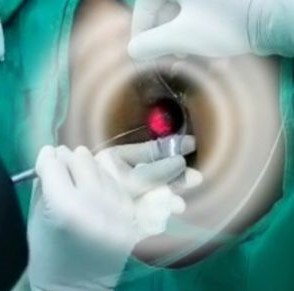
Laser Procedure for Piles - Laser hemorrhoidoplasty
Laser hemorrhoidoplasty is a minimally invasive technique used to treat hemorrhoids or piles. It involves applying laser energy to shrink and collapse the hemorrhoidal tissue. The procedure offers benefits like no wounds, very minimal pain, faster recovery, and minimal bleeding compared to traditional surgery. By directing the laser beam precisely, the treatment targets the affected tissue while minimizing harm to surrounding healthy areas. That's why Laser hemorrhoidoplasty has become a popular and effective choice for patients seeking relief from piles discomfort and associated symptoms.
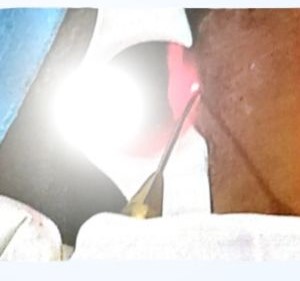
Laser Procedure for Fissure - Laser Internal Sphincterotomy
An anal fissure is a painful tear in the lining of the anal canal. Laser Internal Sphincterotomy for Fissure is a treatment that addresses the spasm of the internal sphincter. This procedure is done by laser energy, that's why no skin incisions is required. This minimally invasive procedure precisely targets and heals the affected area. A specialized laser device delivers controlled bursts of energy that releases the sphincter spasm and promoting healing of the fissure. The laser precision ensures minimal damage to surrounding healthy tissue, so it reduces the risk of complications. This advanced technique offers several benefits, including no open wound, very minimal pain, faster healing, and a lower chance of recurrence compared to traditional surgical methods. That's why Laser proctology has emerged as a safe and effective solution for individuals seeking relief from anal fissures.
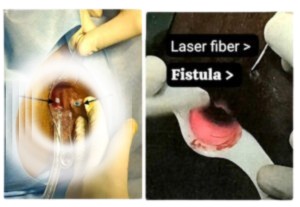
Laser Procedure for Fistula - Fistula Laser Closure (FiLaC)
FiLaC, or Fistula Laser Closure, is an innovative approach to treat anal fistulas. Fistulas are abnormal tunnels connecting the rectum or anus to the surrounding skin. This minimally invasive procedure employs laser energy to target and close the fistula tract precisely. By inserting a specialized laser fiber into the fistula tract, controlled bursts of energy are delivered to promote healing and sealing of the passage. The laser's precision ensures minimal harm to healthy tissue that reduces the risk of complications. Compared to traditional surgical methods, this advanced technique offers benefits such as reduced post-operative pain, faster healing, and a lower chance of fistula recurrence. So Laser procedures have become a promising option for patients seeking effective treatment for anal fistulas.
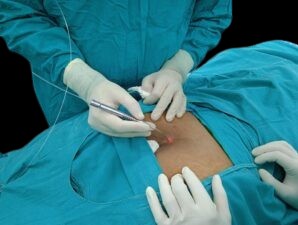
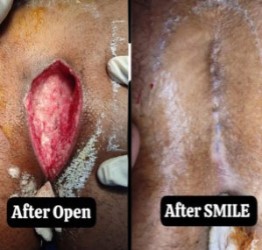
Laser Procedure for Pilonidal Sinus - Sinus pilonidalis Minimal Invasive Laser Excision (SMILE)
Sinus pilonidalis Minimal Invasive Laser Excision (SMILE) is a laser-based procedure used to treat pilonidal sinus. It is a condition characterized by the formation of a cyst or abscess near the tailbone.
SMILE is an innovative and minimally invasive treatment option that utilizes laser energy to target and remove the sinus tract precisely. This procedure involves the use of a specialized laser device that delivers controlled bursts of energy to effectively eliminating the affected tissue.
The laser precision ensures minimal damage to the surrounding healthy tissue, that’s why patient have minimal post-operative pain and faster healing.
As compared to traditional surgical methods, the laser procedure offers several advantages such as no postoperative wound, no pain, no visible scarring because no need for incisions that’s why no disturbance to the local anatomy, and a lower risk of complications.
Because of better results, this advanced technique has become increasingly popular as a promising treatment option for individuals seeking relief from pilonidal sinus.
Laser treatment of Pilonidal Sinus and Frequently Asked Questions (FAQs)
Pilonidal sinus laser surgery (SiLaC, PiLaT, VALAPS, SMIL etc) is a minimally invasive procedure, effective treatment that uses focused laser energy to destroy the sinus tract from the inside, often as an outpatient procedure and close the sinus tract with less pain and a faster recovery than traditional surgery. It typically involves a same-day discharge, minimal scarring, and a recovery period of 1–2 weeks for daily activities. Even though it is effective, some recurrence is possible, hence, good hygiene and preventative measures are crucial after treatment.
Benefits
- Minimally invasive: – Avoids large incisions and stitches.
- Less pain:- Significantly less painful compared to traditional surgery.
- Faster recovery:- Recovery is typically 1–2 weeks, allowing a quicker return to daily activities.
- Same-day discharge:- Most patients can go home on the same day as the procedure.
- Minimal scarring:- Leaves no large scars.
Recovery and aftercare
- You may need to stay in the hospital for a day or two depending on the anaesthesia used.
- You should not drive for at least 24 hours after surgery and will need someone to take you home.
- Keep the area clean and dry.
- Avoid sitting for long periods and prolonged driving.
- Preventative measures like regular hair removal from the area (e.g., laser hair removal) are important to reduce the risk of recurrence.
- Contact your doctor immediately if you experience increased pain, redness, or pus discharge after 2 – 5 days, or if you develop a fever.
What to know before you decide
- Laser surgery is considered a very effective and safe treatment option for many patients, including those with chronic or acute cases without abscesses.
- While a modern and efficient method, recurrence is still possible if proper aftercare is not followed.
- Some studies show that repeated the laser treatment may be necessary to achieve complete healing in certain cases.
- If you have a large cyst or an abscess that doesn’t respond to other treatments, surgery is often recommended to avoid chronic infections and pain.
What is pilonidal sinus laser surgery?
It is a modern, minimally invasive procedure where a surgeon inserts a thin laser fiber into the pilonidal sinus tract (a small tunnel near the tailbone). The laser energy ablates (burns and seals) the infected tissue and the tract itself, eliminating the problem without large incisions or stitches.
How does it differ from traditional surgery?
Traditional surgeries often involve wide excision of the affected tissue, which can result in large, open wounds that take weeks or months to heal. Laser surgery involves minimal incisions, less pain, faster healing (often days instead of weeks), and minimal scarring.
Is the procedure painful?
The procedure is performed under local or general anaesthesia, so you should not feel any pain during the operation. Post-operative pain is typically mild and manageable with prescribed pain medication.
How long is the recovery time?
Recovery is significantly faster than traditional methods. Most patients can return to their normal daily activities or work within 2 to 5 days. Complete healing of the internal tract usually takes a few weeks.
Do I need to stay in the hospital overnight?
Not always, in most cases, pilonidal laser surgery is performed as an outpatient or day-care procedure, meaning you can go home the same day.
What are the potential risks or complications?
Risks are low but can include:
- Infection at the surgical site.
- Minor bleeding or fluid accumulation.
- The possibility of the sinus returning (recurrence).
- The procedure may not be suitable for very complex cases with multiple tracts or severe infection.
What should I do for post-operative care?
Key post-operative care includes:
- Keeping the area clean and dry.
- Avoiding prolonged sitting and heavy lifting for the initial recovery period.
- Taking prescribed medications.
- Considering regular hair removal (shaving or laser hair removal) in the affected area to help prevent recurrence.
- Attending all follow-up appointments with your surgeon.
Can the pilonidal sinus come back after laser surgery?
Recurrence is possible with any pilonidal treatment, but laser surgery generally offers a lower recurrence rate as compared to traditional open surgery methods. Following all post-operative care and hygiene instructions significantly reduces this risk.
Testimonials and Success Stories by Patient after Laser treatment
Patient has attended my OPD after 5 days her laser treatment. Now she is feeling cured her surgical problem. Patient has given her opinion about laser procedure experience, post-operative pain and result.
Frequently Asked Questions for Laser Proctology
Below are frequently asked questions (FAQs) regarding laser proctology treatments for conditions like piles (hemorrhoids), fissures, and fistulas in India.
General Questions
What is laser proctology?
Laser proctology uses high-intensity laser beams to treat various anorectal disorders with precision. The laser targets only the affected tissue, minimizing damage to surrounding healthy areas.
What conditions can be treated with laser proctology?
Common conditions treated include hemorrhoids (piles), anal fissures, anal fistulas, pilonidal sinus, anal warts, and sentinel tags.
Is laser surgery better than conventional surgery?
Yes, laser surgery is generally considered superior due to its minimally invasive nature, less pain, minimal bleeding, faster recovery time, and lower risk of infection and recurrence.
Is the procedure safe?
When performed by skilled and specialized surgeons, laser proctology is considered a safe and effective procedure.
Is it a permanent cure?
Laser surgery has a high success rate and the treated areas typically do not recur. However, new issues may arise if underlying causes (e.g., chronic constipation, poor diet, inactive lifestyle) are not addressed.
Do women consult proctologists?
Yes, proctologists treat anorectal disorders in both men and women.
Before, During, and After the Procedure By patient
How long does the procedure take?
The surgery is relatively quick, typically lasting 30 to 45 minutes, depending on the severity of the condition.
Is anesthesia used?
The procedure is often done under local or spinal anesthesia, meaning general anesthesia is not typically required.
Is the surgery painful?
The procedure itself is painless due to anesthesia. Post-operative pain is typically minimal compared to conventional surgery and can be managed with prescribed pain medication.
Is it a day-care procedure?
Yes, most laser proctology procedures are day-care surgeries, allowing patients to go home the same day.
When can I resume normal activities?
Most patients can return to their daily routines within 1 to 3 days. Strenuous activities and heavy lifting should be avoided for a short period, as advised by the surgeon.
What about post-operative care and diet?
Keep the surgical area clean and gently pat dry after using the bathroom.
Maintain a high-fiber diet and drink plenty of water to prevent constipation.
Avoid processed, refined, and spicy foods.
Minor bleeding or discomfort during bowel movements for a week or two is normal.