
Latest Laparoscopic Operations
Laparoscopic Operations
Dr. Ram Kumar Sharma is the best laparoscopic surgeon in Delhi, specializing in advanced minimally invasive procedures including gallbladder surgery (cholecystectomy), hernia repair, appendectomy, and intestinal surgeries, ensuring faster recovery and optimal patient outcomes.
Best Laparoscopic Surgeon in Delhi for Gall Stones – Laparoscopic Cholecystectomy
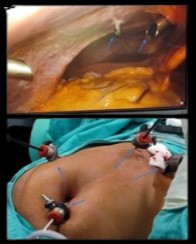
Laparoscopic cholecystectomy is a minimally invasive procedure for gallbladder removal performed by the best laparoscopic surgeon in Delhi. The surgery involves small abdominal incisions through which a laparoscope (camera) and specialized instruments are inserted. Compared to open surgery, this technique results in less pain, shorter hospital stays, faster recovery, minimal complications, and near-scarless healing. During the procedure, the surgeon safely disconnects the gallbladder from the liver and bile ducts and removes it through a small incision. Laparoscopic cholecystectomy is commonly recommended for gallstones, gallbladder inflammation, and other gallbladder conditions, including rupture.
Laparoscopic Hernia Surgery by the Best Laparoscopic Surgeon in Delhi
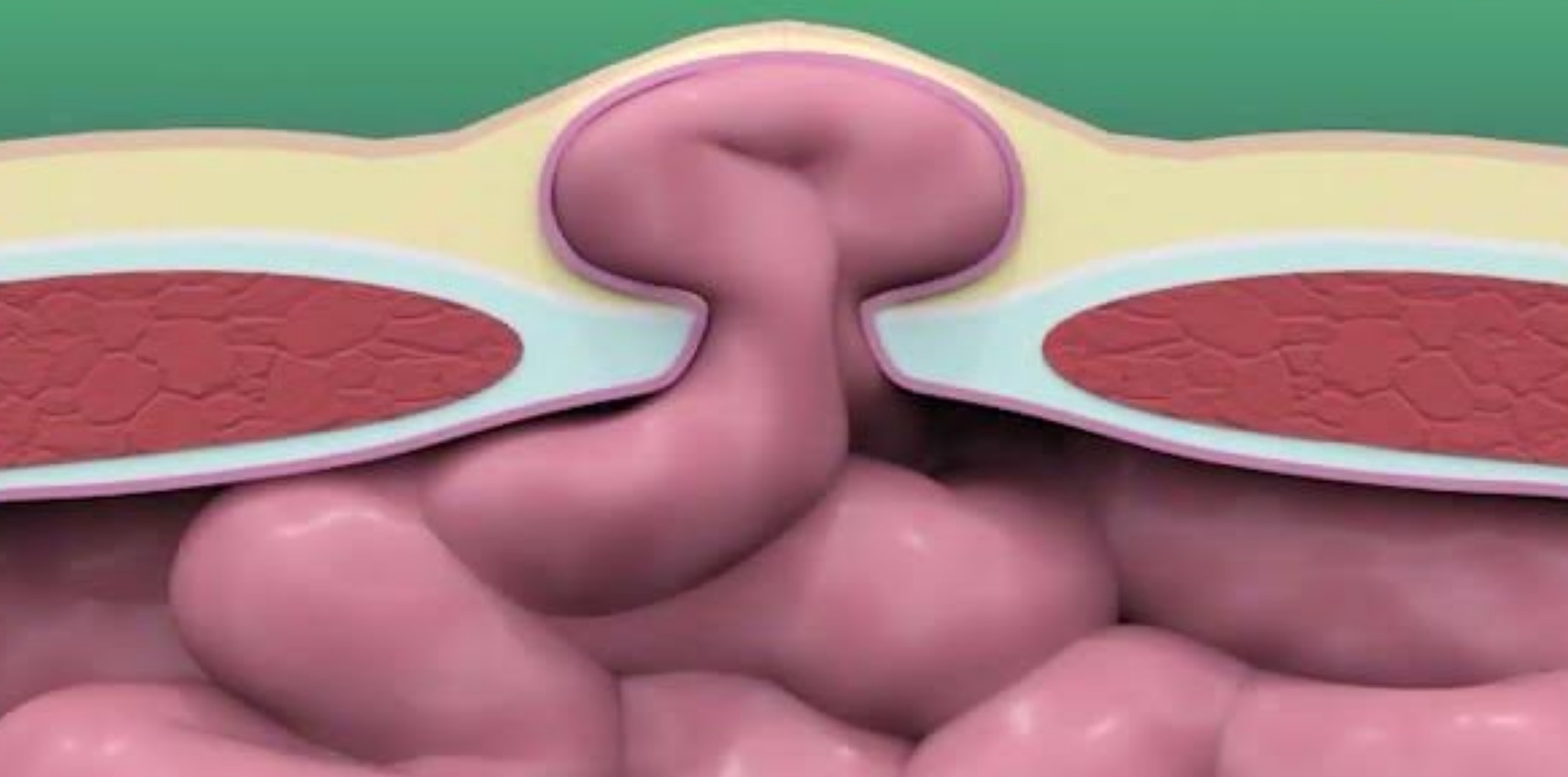
A hernia is a condition characterized by the protrusion of an organ or fatty tissue through a weakened area in the muscle or connective tissue of the abdomen and is best managed by the Best laparoscopic surgeon in Delhi. The most common type is an inguinal hernia, which occurs in the groin region. Other types include umbilical hernia, paraumbilical hernia, epigastric hernia, incisional hernia, and femoral hernia. Hernias may cause discomfort, pain, or a noticeable bulge, especially during activities such as coughing, straining, or heavy lifting, and symptoms may gradually worsen if left untreated.The gold standard treatment for hernias involves surgical repair, performed either laparoscopically or through open surgery with mesh placement. Temporary options such as watchful waiting, lifestyle modification, or supportive devices like trusses may offer limited relief, but surgery provides a definitive solution. Hernia surgery repairs the weakened area and helps prevent recurrence.
Laparoscopic operation for Inguinal Hernia - TEP & TAPP
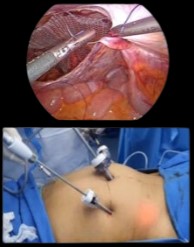
TEP (Totally Extraperitoneal) and TAPP (Transabdominal Preperitoneal) are two effective laparoscopic techniques used for repairing inguinal and inguino-scrotal hernias and are safely performed by the Best laparoscopic surgeon in Delhi. Both procedures are minimally invasive and help reduce pain, hospital stay, and recovery time. The main difference lies in their approach to the peritoneum. In the TEP technique, the hernia repair is done completely outside the peritoneal cavity, avoiding entry into the abdomen. In contrast, the TAPP technique involves entering the peritoneal cavity, making an incision in the peritoneum to place the mesh, followed by careful closure. The choice between TEP and TAPP depends on surgeon expertise, patient anatomy, and the type and complexity of the hernia.
Laparoscopic operation for Abdominal Hernia (Umbilical hernia, Ventral hernia, Epigastric hernia)
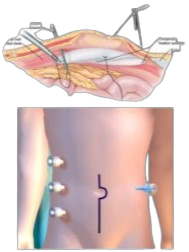
IPOM (Intra Peritoneal Onlay Mesh repair)
Intra Peritoneal Onlay Mesh repair (IPOM) is a commonly performed minimally invasive technique for abdominal hernia repair and is safely carried out by the Best laparoscopic surgeon in Delhi. This procedure involves placing a composite mesh on the inner side of the peritoneum to bridge and reinforce the hernia defect. A specially designed mesh is used to reduce the risk of mesh related complications and ensure safe contact with intraabdominal organs. Compared to open surgery, IPOM offers several advantages, including smaller incisions, reduced postoperative pain, minimal blood loss, and faster recovery. Patients typically experience shorter hospital stays and an earlier return to normal daily activities. These benefits make IPOM an effective and preferred option for individuals seeking a reliable, less invasive solution for abdominal hernia repair with durable outcomes.
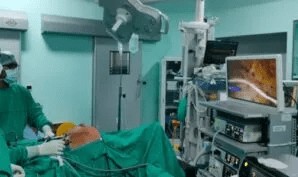
SCOLA
The Sub-Cutaneous Onlay Laparoscopic Approach (SCOLA) is a modern minimally invasive technique for repairing umbilical, paraumbilical, and ventral abdominal hernias and is effectively performed by the Best laparoscopic surgeon in Delhi. This procedure involves making small incisions in the abdominal wall through which a laparoscope is inserted to clearly visualize the hernia defect. The hernia sac is carefully reduced, and a mesh is placed over the defect from outside the abdominal cavity, without entering the intraabdominal space. SCOLA offers several advantages, including smaller incisions, minimal disturbance to internal organs, no requirement for specialized mesh, reduced postoperative pain, faster recovery, and lower complication rates compared to conventional open or intraperitoneal laparoscopic surgeries. Precise mesh placement and preservation of normal anatomy lead to improved patient comfort, quicker return to daily activities, and excellent long-term outcomes, making SCOLA a valuable and advanced option for hernia repair.
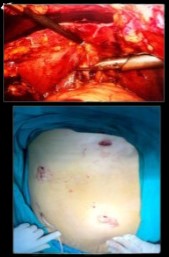
Complicated Laparoscopic Surgeries like Laparoscopic Completion Cholecystectomy
Post-cholecystectomy syndrome (PCS) refers to a group of symptoms such as abdominal pain, bloating, indigestion, nausea, or diarrhea that may occur after gallbladder removal and should be evaluated by the Best laparoscopic surgeon in Delhi. The exact cause of PCS can vary and is sometimes related to retained gallstones in the cystic duct remnant or common bile duct, bile duct strictures, or incomplete removal of gallbladder tissue. In some cases, functional gastrointestinal disorders may also contribute to persistent symptoms.Treatment of post-cholecystectomy syndrome depends on the underlying cause and severity of symptoms. Management options may include medications, dietary modifications, and lifestyle changes to control digestion-related complaints. In selected cases, surgical intervention such as completion laparoscopic or open cholecystectomy may be required to address residual pathology. Early diagnosis and expert management help relieve symptoms, prevent complications, and restore quality of life.
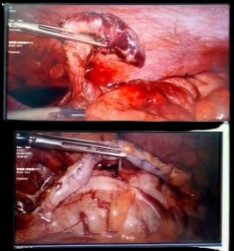
Laparoscopic or open appendicectomy
Appendicectomy, also known as appendectomy, is a common surgical procedure to remove the appendix, a small organ located in the lower right side of the abdomen, and is safely performed by the Best laparoscopic surgeon in Delhi. The most common reason for this surgery is appendicitis, a condition marked by severe abdominal pain, nausea, vomiting, fever, and loss of appetite. The procedure can be done through a small open incision or by a minimally invasive laparoscopic approach using tiny incisions and a camera. During surgery, the inflamed appendix is carefully identified and removed to prevent rupture, which can cause serious infection and complications. Laparoscopic appendicectomy offers benefits such as less pain, minimal scarring, faster recovery, and shorter hospital stay. Appendicectomy has a high success rate, and most patients return to normal activities within a short period after surgery.
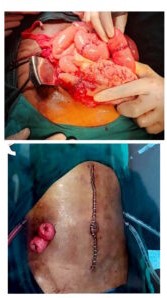
Intestinal Surgeries
Intestinal surgeries encompass a range of procedures performed on the intestines, part of the digestive system, to address conditions like intestinal perforation, bowel obstruction, inflammatory bowel disease, diverticulitis, colorectal cancer, and intestinal hernias. Common surgeries include repairing intestinal perforations, relieving obstructions, and removing gangrenous sections through bowel resection. Additionally, colostomy or ileostomy procedures create abdominal openings to redirect waste. These surgeries may be conducted using open surgery or minimally invasive techniques like laparoscopy. Precise surgical techniques, careful planning, and postoperative care are crucial for proper healing and restoration of normal bowel function.
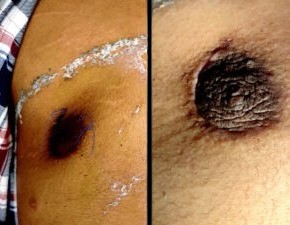
Operation for Breast Enlargement, Lumps, Nodules
Gynecomastia refers to the condition of breast enlargement in males, while fibroadenomas are characterized by the presence of lumps and nodules in young females. Surgical procedures are often necessary to address these diagnoses. To minimize future scarring and maintain cosmetic appeal, the operations typically involve making circular incisions along the margin of the dark areolar part of the breast. This approach aims to ensure the best possible cosmetic outcome for patients undergoing these procedures.
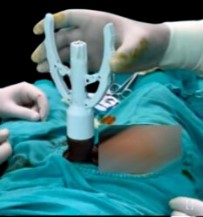
Operations for Male Genital part
Dr Sharm is doing stapler Circumcision for male genital organ with best result.Hydrocele, the enlargement of the testes within the scrotum, and phimosis, the tightening of the foreskin of the penis, can both pose challenges during sexual activities. Traditionally, surgical intervention through open incisions has been the standard approach to address these issues. However, advancements in medical techniques have introduced a novel method known as circumcision by stapler for phimosis. This modern approach aims to reduce postoperative pain, accelerate recovery time, and minimize hospital stays. By utilizing the stapler technique, surgeons can provide a more efficient and less invasive procedure, offering patients a quicker return to normal sexual function.
Frequently Asked Questions for laparoscopic cholecystectomy
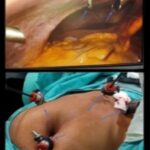
What is the gallbladder and why is it removed?
The gallbladder is a small organ that stores bile produced by the liver, which helps digest fats. It is required to if gallstones cause pain, inflammation (cholecystitis), or pressure on the bile ducts, as this is the only reliable way to treat and prevent future, potentially serious, complications.
How is laparoscopic surgery different from open surgery?
Laparoscopic surgery is performed through 4 to 5 small incisions (less than an inch) using a camera (laparoscope) and long instruments, while open surgery requires a larger incision. The laparoscopic approach offers benefits like less post-operative pain, a shorter hospital stay, faster recovery and smaller scars.
Is there any chance of digestion problems after gallbladder removed?
Most patients live a normal, healthy life without a gallbladder because the liver continues to produce bile, which flows directly into the small intestine. Some may experience temporary loose stools or digestive upset, especially with fatty foods, but this often improves over time.
How long is the recovery period?
Recovery is generally quick. Most patients go home the day after surgery, resume light activities within a few days, and return to work in about one week. Strenuous activity or heavy lifting require to avoided for some weeks to prevent complications like a hernia.
What are the potential risks or complications?
Laparoscopic cholecystectomy is considered very safe with a low complication rate. Rare but potential risks include bleeding, infection, injury to nearby organs (like the bile duct, intestine), bile leakage, or a blood clot. Surgeons usually discuss these risks in detail.
When should I call my doctor after surgery?
You should contact your doctor or seek urgent medical attention if you develop symptoms such as:
A persistent fever over 101°F (38.5°C) or chills.
Severe or worsening abdominal pain not relieved by medication.
Yellowing of the skin or eyes.
Persistent nausea or vomiting.
Redness, swelling, or pus/drainage from any incision site.
Can everyone have laparoscopic surgery?
While an attempt is made in most cases, some factors may require converting to an open procedure for safety of the patient, including severe inflammation of gallbladder, significant scar tissue from previous abdominal surgeries, some anatomical variation, very dense intestinal adhesions over gallbladder or bleeding problems during the operation.